Arizona homes have an indoor air quality problem that most people don't think about until it becomes a symptom.
Scottsdale and the East Valley sit in one of the highest particulate-matter environments in the country. Monsoon season kicks up fine dust and biological matter that infiltrates even well-sealed homes. Between monsoon storms, the dry desert air picks up pollen, construction dust (Maricopa County is perpetually under construction), and vehicle exhaust that concentrates in the Valley's heat-trapping topography.
The problem compounds because of how we build in Arizona. Homes here are built tightly for energy efficiency — which means the air inside gets recirculated without the natural infiltration that older or more climate-varied construction provides. The EPA consistently finds that indoor air can be two to five times more polluted than outdoor air. In Arizona homes that are sealed against desert heat, that ratio can be higher.
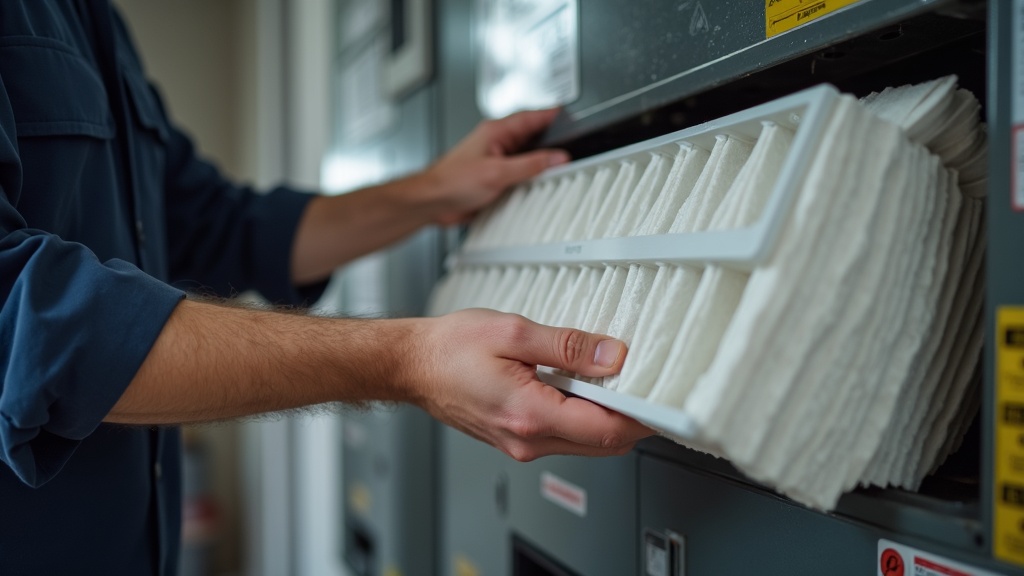
Standard 1-inch fiberglass filters don't address particulates below 10 microns. Dust mite debris, mold spores, pet dander, and fine desert particulates pass right through. For households with asthma, allergies, or respiratory conditions, this matters enormously. But it also matters for everyone else — degraded air quality affects sleep, concentration, and long-term respiratory health.
Monsoon season adds a humidity component. Scottsdale averages less than 8 inches of annual rainfall, but during monsoon the relative humidity can spike from single digits to 70%+ within hours. That rapid humidity swing creates condensation in ductwork and on coil surfaces — a short-term mold and microbial growth environment that then gets distributed through the house as the system runs.
How We Do The Job
Every job follows the same disciplined process. No shortcuts, no improvisation, no surprises.
- 01
Air quality assessment
We start with a conversation about what you're noticing: allergy symptoms, visible dust accumulation, musty odors, dry air discomfort. We inspect your existing filtration system, ductwork condition, and any visible signs of moisture or biological growth.
- 02
Equipment recommendation
Based on the assessment, we recommend the solution that fits your actual situation: upgraded filtration, whole-home air purification, UV germicidal treatment, or humidity control. We don't recommend systems you don't need.
- 03
Installation
NATE-certified technicians install all equipment. Whole-home air purifiers and UV systems integrate into your existing HVAC system at the air handler. Most installations complete in a few hours.
- 04
Ductwork inspection where indicated
If there are signs of moisture infiltration or significant dust accumulation, we inspect the ductwork and address any issues before they get distributed through the system.
- 05
Performance documentation
We provide documentation of what was installed, how it works, and what filter maintenance schedule to follow. For electronic filtration systems, we cover cleaning and replacement timelines.
Why Ridgeline for Indoor Air Quality
Diagnosis before prescription
We assess your specific situation before recommending equipment. The right solution for a 2,000-square-foot Tempe home with two dogs is different from what a 4,500-square-foot Paradise Valley home with allergy-sensitive occupants needs.
Integration with your existing HVAC system
No standalone devices that sit in corners. We install whole-home solutions that treat every cubic foot of air the system conditions.
14 years of Arizona climate experience
We understand the monsoon humidity spike, the desert particulate load, and the specific IAQ challenges of East Valley construction. This isn't a generic offering.
No commissioned sales
Our technicians don't earn bonuses for selling air quality equipment. If your existing filtration is adequate, we'll tell you that.
Questions, Answered Straight
The questions we get asked most. No marketing fluff, just direct answers.
Common indicators include: visible dust accumulation on surfaces within days of cleaning, allergy or asthma symptoms that are worse indoors than outdoors, musty or stale odors that persist, excessive dryness of skin and eyes during non-monsoon months, or household members who sleep better in other homes or hotels. Any of these patterns is worth a conversation.
Filtration physically captures particles as air passes through a filter medium — measured by MERV rating, where higher numbers capture smaller particles. Purification adds an active treatment step: UV light kills biological contaminants (mold, bacteria, viruses), while electronic air cleaners can address particles that pass through even high-MERV filters. Most East Valley homes benefit from upgraded filtration at minimum; homes with allergy or respiratory concerns often see significant improvement from adding purification.
High-MERV filters (MERV 11-13) restrict airflow more than low-MERV filters and can stress some HVAC systems if they're not designed for higher resistance. This is a real consideration, not a sales objection to moving to better filtration. We assess your system's fan capacity before recommending a filter upgrade to make sure you're getting the benefit without the airflow penalty.
Monsoon season creates two distinct IAQ events. During dust storms (haboobs), fine particulate infiltration into homes spikes dramatically — staying indoors with a running HVAC system provides protection, but it also pulls that particulate through the system. During the rain events, rapid humidity spikes can cause condensation in ductwork and on coil surfaces, which creates short-term conditions favorable for mold and microbial growth. Proper filtration and, in some cases, UV germicidal treatment addresses both.
High-MERV media filters typically require replacement every 3 to 6 months (versus 1 to 3 months for standard filters, because they capture more). Electronic air cleaners have collector cells that need periodic cleaning. UV lamps require annual lamp replacement. We'll give you a specific maintenance schedule for whatever we install.