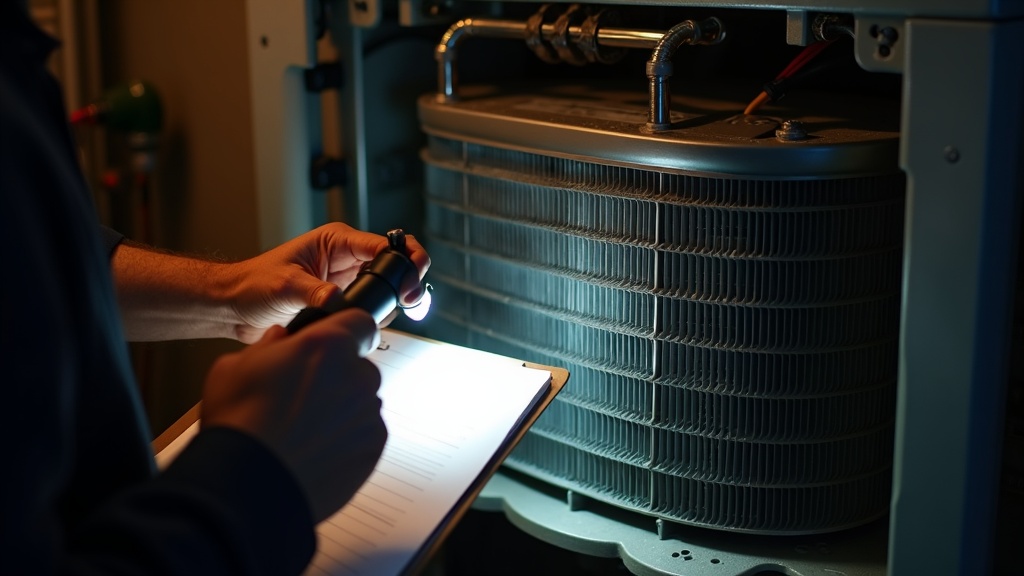
Most HVAC systems in Arizona fail early because of deferred maintenance, not age.
The desert environment is hard on HVAC equipment in ways that don't apply elsewhere. Dust and particulate matter from monsoon season clog coils and filters faster than in cleaner climates. Extended operating seasons — most East Valley homes run air conditioning from April through October — mean components cycle far more hours per year than the national average. An AC system in Scottsdale may log 2,000+ run hours per year. The same model installed in Chicago might log 600.
Coil fouling reduces heat exchange efficiency and forces the compressor to work harder. Worn electrical contacts increase amp draw and generate heat that degrades insulation. Low refrigerant — even slightly low — sends compressor temperatures up and shortens its life. None of these problems announce themselves dramatically. They just shorten the equipment's useful life, raise your utility bills, and eventually cause a failure at the worst possible time.
Refrigerant issues are the quiet killer. If your system was installed with a small refrigerant leak or developed one over time, it can run for months or years at reduced capacity before the compressor fails — often in the middle of a heat wave, when repair costs and wait times are highest.
How We Do The Job
Every job follows the same disciplined process. No shortcuts, no improvisation, no surprises.
- 01
Filter and airflow inspection
We check your filter condition, measure static pressure, and verify airflow at supply and return registers. Restricted airflow is one of the most common causes of coil problems and reduced efficiency.
- 02
Electrical system check
We test voltage and amperage at the compressor, blower motor, and condenser fan. We inspect all electrical connections and check capacitors and contactors for wear before they fail.
- 03
Refrigerant pressure measurement
We check both high and low side pressures and compare against manufacturer specifications for current conditions. If refrigerant is low, we identify the cause before adding any.
- 04
Coil cleaning
Condenser and evaporator coils are inspected and cleaned as needed. In Arizona dust conditions, this step has more impact on efficiency than almost anything else.
- 05
Thermostat calibration and controls test
We verify the thermostat reads accurately and cycles the system correctly. We test all safety switches and controls.
- 06
Full system report
You get a written report of everything we found, what we corrected, and any items to watch over the next 12 months. No pressure, no sales pitch — just what we found.
Why Ridgeline for HVAC Tune-Up & Maintenance
NATE-certified technicians do the work
Not a helper running through a checklist. The technician who inspects your system can interpret what they find and explain it to you clearly.
Honest reporting
If your unit has five good years left in it, we'll say that. We don't manufacture urgency.
Documented results
Every tune-up produces a written report you keep. It's useful if you ever sell your home or make a warranty claim.
14 years of East Valley experience
We understand how Arizona's climate and dust environment affects HVAC longevity in ways that generic national chain checklists don't account for.
Questions, Answered Straight
The questions we get asked most. No marketing fluff, just direct answers.
Once a year at minimum. Because of Arizona's extended operating seasons and desert dust environment, twice a year is a smart practice for equipment over five years old. Spring, before the cooling season, is the most important time — catching issues before peak heat means avoiding emergency calls in July.
It extends equipment life, maintains efficiency, and catches developing problems before they cause failures. A coil that's 30% fouled with dust is working your compressor significantly harder than it should. Clean coils, correct refrigerant charge, and tight electrical connections can reduce energy consumption by 10 to 15 percent and add years to equipment life.
By the time an HVAC system is noticeably underperforming, the underlying problem has usually been developing for months or years. Most equipment failures that seem sudden were actually visible on a diagnostic before they happened. The tune-up is about catching those signals early.
The tune-up includes measuring refrigerant levels. If we find a deficiency, we'll discuss the cause and your options before adding refrigerant. Simply topping off a system with a leak doesn't fix the leak — we'll address that conversation honestly.
No. Our technicians don't work on commission. If your equipment is in good shape, we'll say so. If we find something genuinely concerning, we'll explain exactly what it is and what you're looking at. You'll get a straight answer either way.